
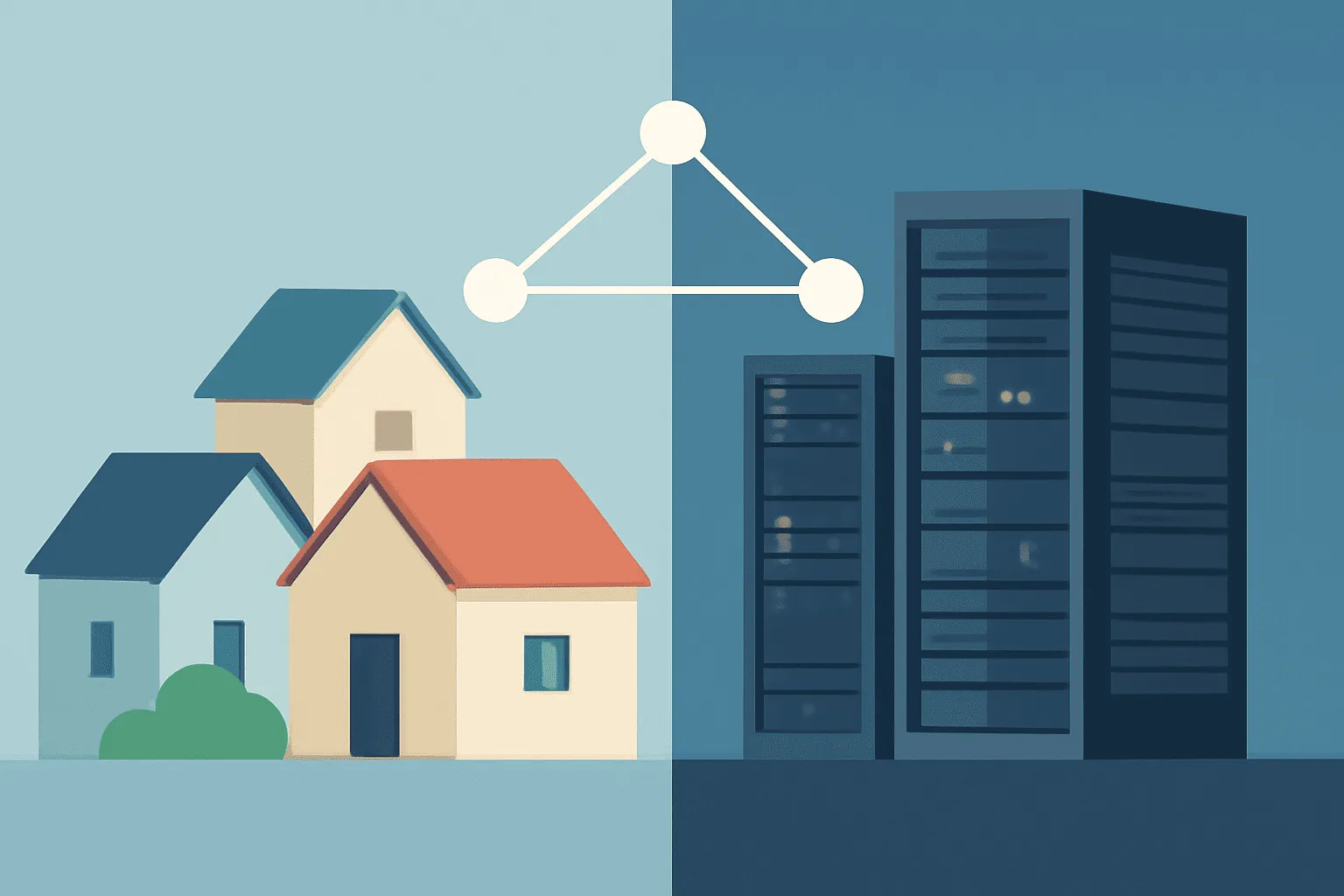
Residential vs datacenter proxies: complete comparison. When choosing proxy services for web scraping or privacy protection, one of the most important decisions you'll make is between residential and datacenter proxies. Each type has distinct advantages and use cases.
What Are Datacenter Proxies?
Datacenter proxies are IP addresses that originate from data centers rather than residential internet service providers. They're created in bulk by hosting companies and cloud providers.
Advantages of Datacenter Proxies
- Speed: Extremely fast connection speeds
- Cost: Much cheaper than residential proxies
- Reliability: Consistent uptime and performance
- Bandwidth: High bandwidth allocation
Disadvantages of Datacenter Proxies
- Detection: Easily identified and blocked by websites
- Shared IPs: Multiple users may share the same IP
- Limited Geo-targeting: Fewer location options
What Are Residential Proxies?
Residential proxies use IP addresses assigned by ISPs to real residential locations. They appear as legitimate home internet connections.
Advantages of Residential Proxies
- Legitimacy: Appear as real user traffic
- Lower Block Rates: Harder for websites to detect
- Geo-targeting: Access location-specific content
- Success Rates: Higher success rates for scraping
Disadvantages of Residential Proxies
- Cost: More expensive than datacenter proxies
- Speed: Generally slower connection speeds
- Complexity: More complex setup and management
When to Use Each Type
Use Datacenter Proxies For:
- High-speed data processing
- SEO monitoring and rank tracking
- Social media management
- Price monitoring (non-sophisticated sites)
Use Residential Proxies For:
- E-commerce scraping
- Social media scraping
- Ad verification
- Market research
- Accessing geo-restricted content
Conclusion
The choice between residential and datacenter proxies depends on your specific needs, budget, and target websites. For most web scraping applications, residential proxies offer better success rates despite the higher cost.
Tags
Proxy & Web Scraping Research Team
The ProxyCorner editorial team researches, tests, and reviews residential, datacenter, mobile, and ISP proxy providers. Every review is backed by our standardized monthly benchmark suite — 10,000+ test requests per provider, 5-region speed measurements, and independent IP pool verification.
Reviews follow our published testing methodology, including affiliate disclosure and editorial independence standards.
Ready to Choose a Proxy Provider?
Explore our comprehensive directory of residential proxy providers and find the perfect match for your web scraping needs.
Browse Proxy Providers